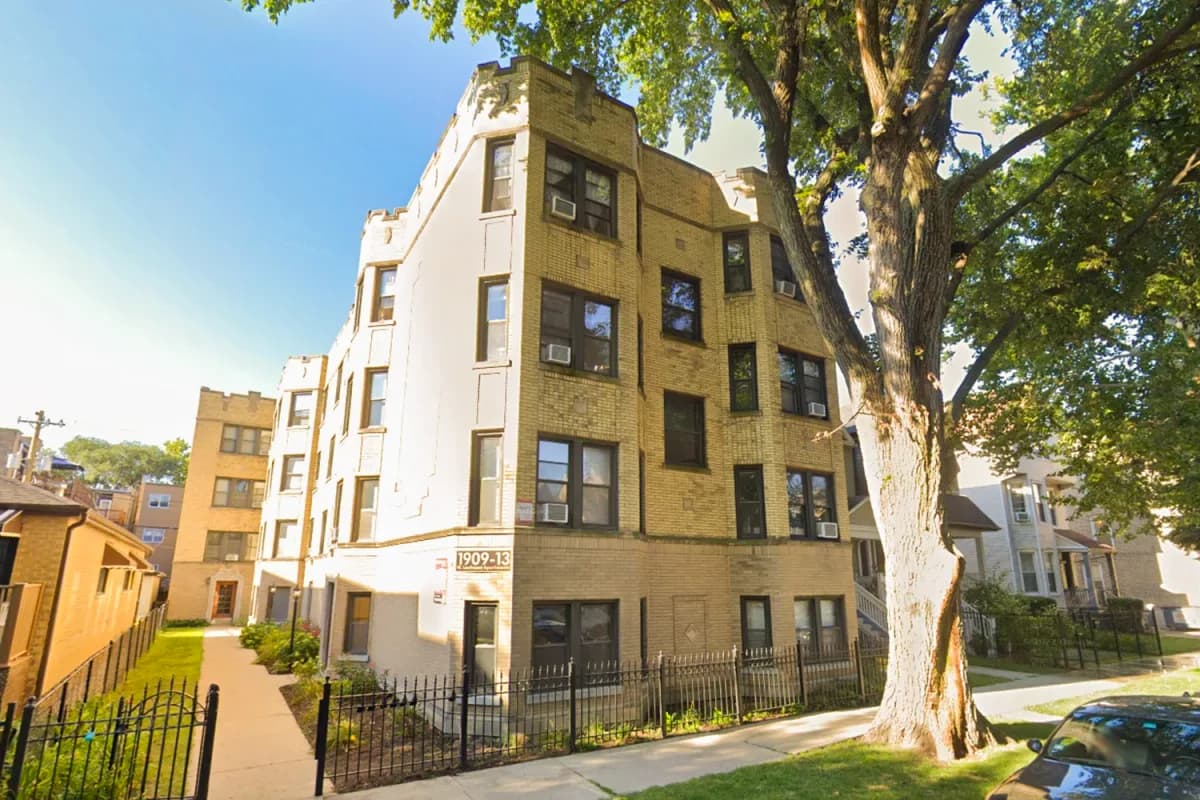
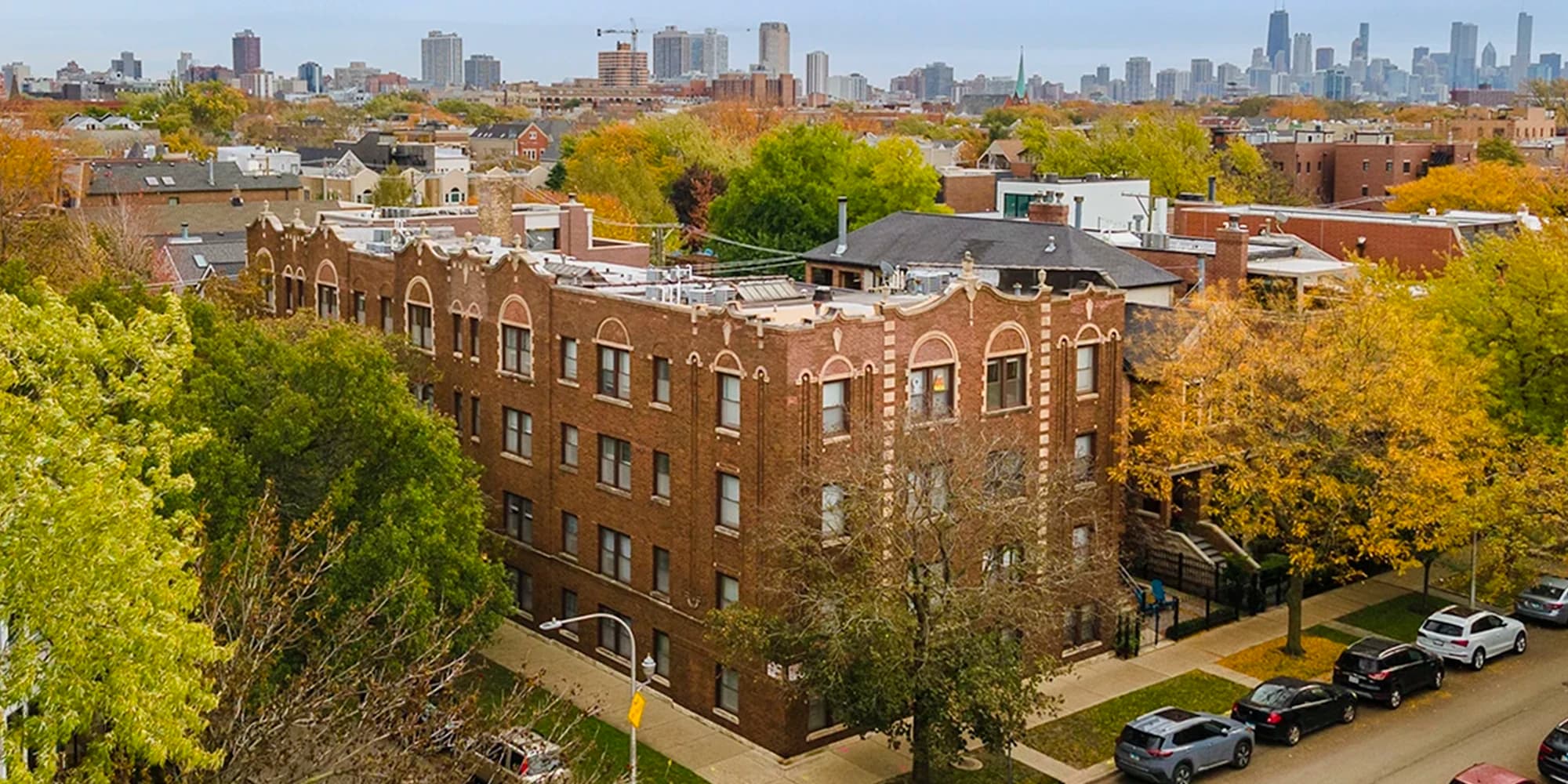
North Center's story starts with brick: the area was mostly farmland worked by German and Swedish immigrants until fireproofing laws passed after the 1871 Chicago Fire turned the clay along the Chicago River into a valuable resource, and the neighborhood grew into a working-class hub nicknamed "Bricktown" for its many brickyards and clay pits. The Ravenswood 'L,' now the Brown Line, arrived in 1907 and linked the area directly to the Loop, setting off a building boom that filled its streets with the brick two-flats and bungalows still standing today. From 1904 to 1967, the neighborhood's Roscoe Village pocket was home to Riverview Park, once the largest amusement park in the world, a 76-acre spread of rides and midways that drew visitors from across the city for over six decades before it closed. That industrial, working-class identity faded through the late 20th century as gentrification spread north from Lincoln Park and Lake View in the 1990s, and North Center today is a family-oriented, tree-lined neighborhood built around several distinct pockets: Roscoe Village's close-knit shopping strip, historic St. Ben's, and Hamlin Park, all sharing Brown Line access and highly regarded schools like Lane Tech College Prep. What survives from its brickyard roots is the architecture itself: Victorian and Craftsman-style homes on quiet, walkable streets that still carry the neighborhood's early-20th-century character.
Riverside & Nature
Horner Park Natural Area
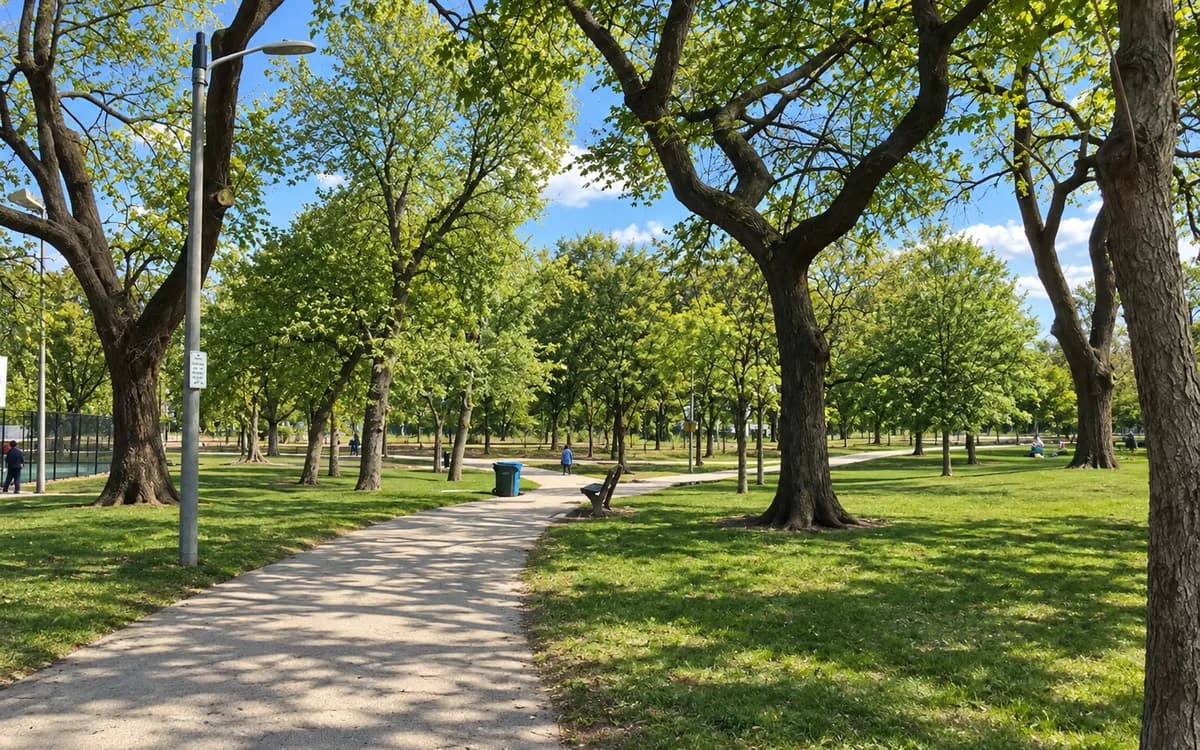
North Center has no lakefront, but the North Branch of the Chicago River runs right along its western edge, and Horner Park's riverside natural area is the neighborhood's answer to a waterfront escape. A $6.4 million restoration completed in 2018 added a canoe and kayak landing plus a half mile of trails that wind through restored prairie and oak savanna along the water. Paddle a stretch of river, cast a line from the bank, or just walk the top and lower trails that trace the shoreline: it is quiet, green, and a genuine break from city blocks, all without leaving the neighborhood.
Parks & Gardens
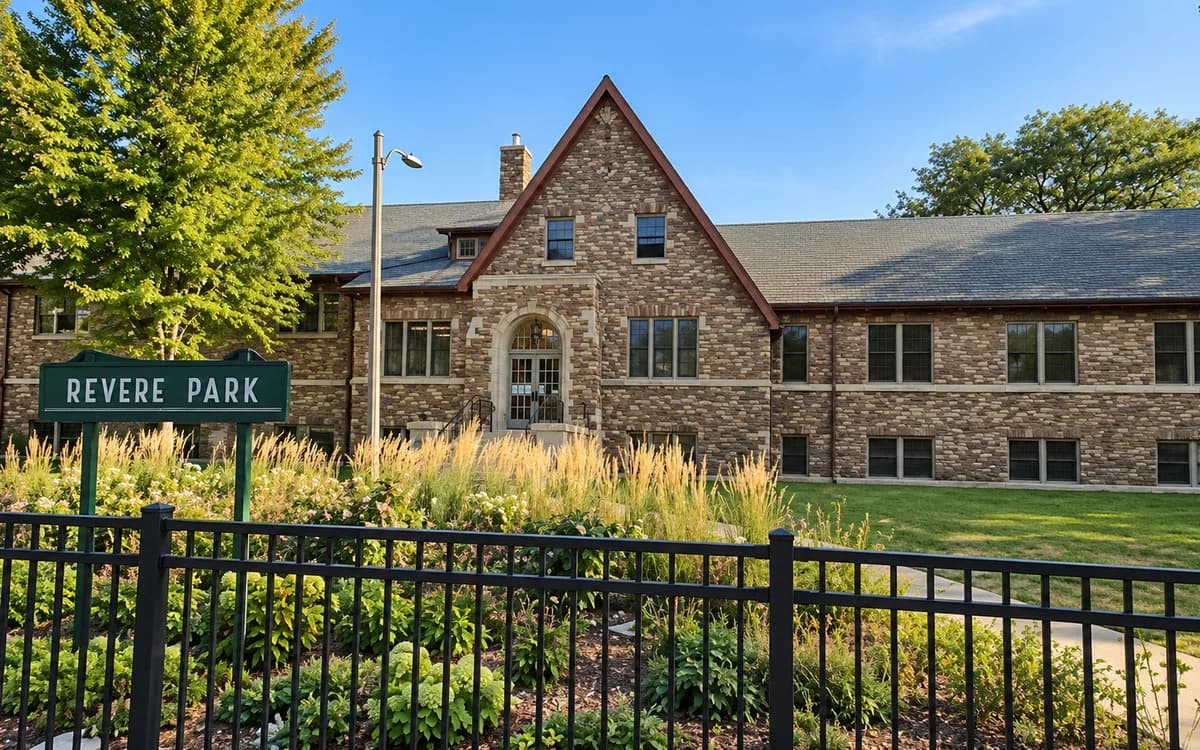
Revere Park
Dating to 1921 and anchored by a fieldhouse designed by architect Clarence Hatzfeld, Revere Park is North Center's classic neighborhood green space: ball fields, walking paths, a playground, and tennis and pickleball courts freshly resurfaced in a 2025 renovation. The fieldhouse still runs a full slate of community programs through the Neighborhood Boys and Girls Club, drawing thousands of visitors a year. It is the kind of unglamorous, well-used park that anchors daily life here: a morning jog, a weekend match, or an afternoon at the playground, all a short walk from home.
Arts & Culture
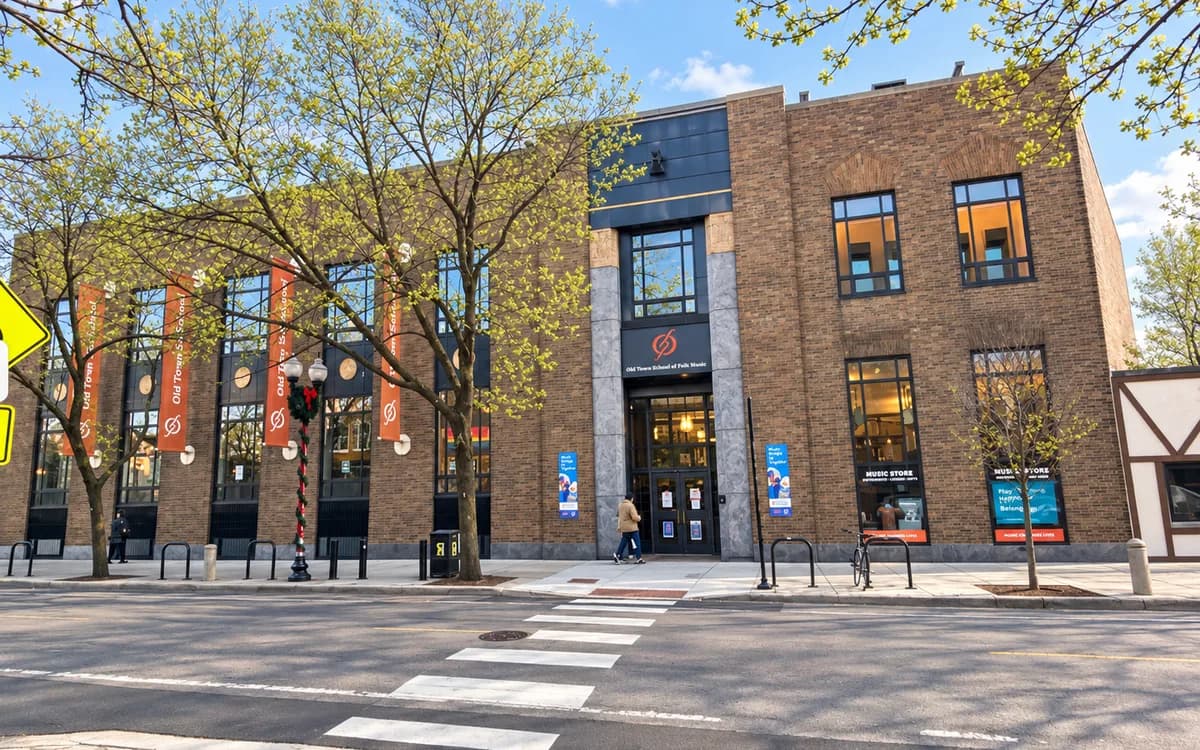
Old Town School of Folk Music
Housed in the former Hild Branch Public Library, an art deco building raised in 1929, the Old Town School of Folk Music has been Chicago's home for live roots, folk, and world music since 1957. Its Lincoln Avenue campus hosts a packed concert calendar year-round, from touring singer-songwriters to string bands, alongside music classes for every age. It is a rare thing to have a nationally known concert hall and teaching institution this close to a residential street, and it gives the neighborhood a genuine cultural anchor beyond the usual bar-and-restaurant scene.
Historic Landmark
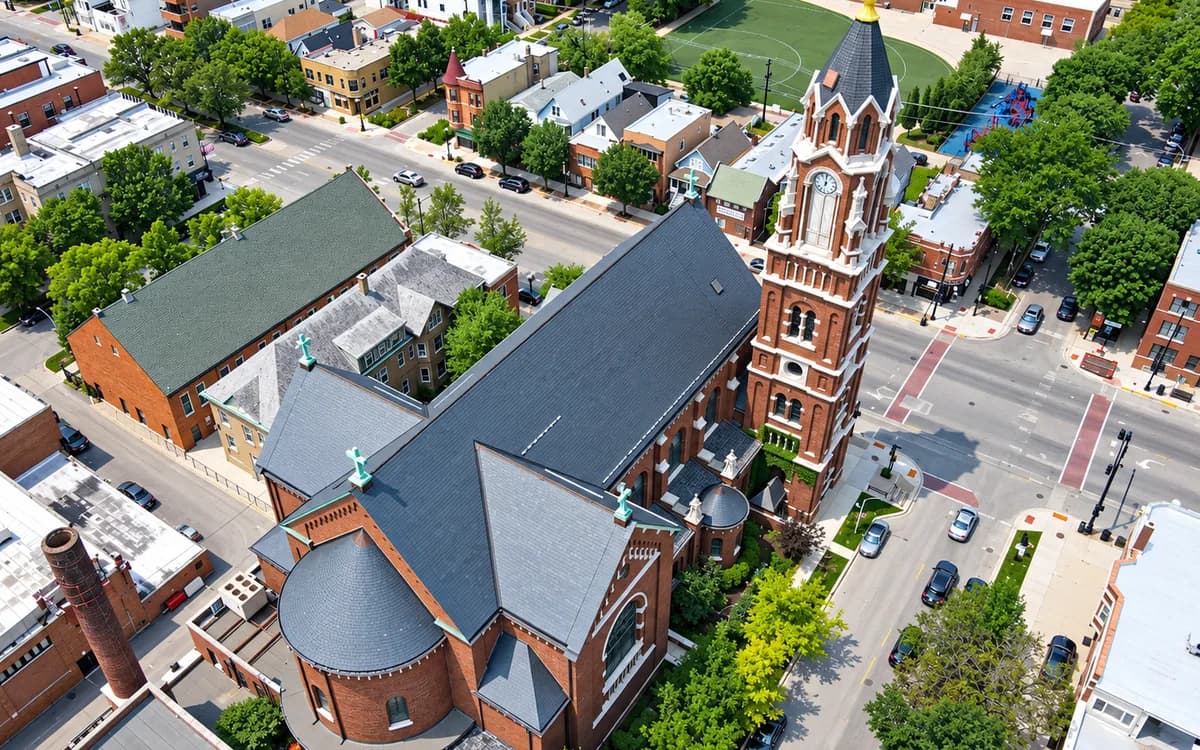
St. Benedict Parish
St. Benedict Parish gave the surrounding blocks their name, St. Ben's, and its current church, completed in 1918 for $170,000, is still the neighborhood's most visible landmark: a bell tower reportedly visible for miles, stained glass imported from Munich, and hand-carved Stations of the Cross from Oberammergau inside. Founded in 1902 with just 90 families, the parish grew into one of the anchors of this stretch of North Center within a decade, and it remains an active, working parish today. It is a piece of the neighborhood's early-20th-century history still standing exactly where it was built.
Restaurants and Bars
North Center's dining scene is concentrated along Lincoln Avenue and the Roscoe Village strip on Roscoe Street, with a mix of casual neighborhood restaurants, coffee shops, and bars that cater to the area's families and young professionals. The corridor favors independent, long-running spots over chains.
Roscoe Village in particular has built a reputation as a dining destination in its own right, with a dense cluster of restaurants and bars within a few walkable blocks of each other.
North Center is a North Side neighborhood built around a walkable mix of retail, restaurants, and small theaters, with architecture spanning the late 19th and early 20th centuries. The area covers several distinct pockets — including Roscoe Village, St. Ben's, and Hamlin Park — each with its own residential feel while sharing the same Brown Line transit access.
Lane Tech College Prep and other highly regarded schools draw families to the area, contributing to North Center's reputation as one of the more established, family-oriented North Side neighborhoods.
North Center's entertainment options lean toward smaller, neighborhood-scale venues — local theaters, live music spots, and seasonal street festivals rather than major tourist attractions. Welles Park and River Park give residents green space for recreation right in the neighborhood.
Roscoe Village's retail strip doubles as a destination for browsing and people-watching, while the Brown Line's Irving Park, Addison, and Paulina stops make it easy to reach entertainment elsewhere on the North Side.