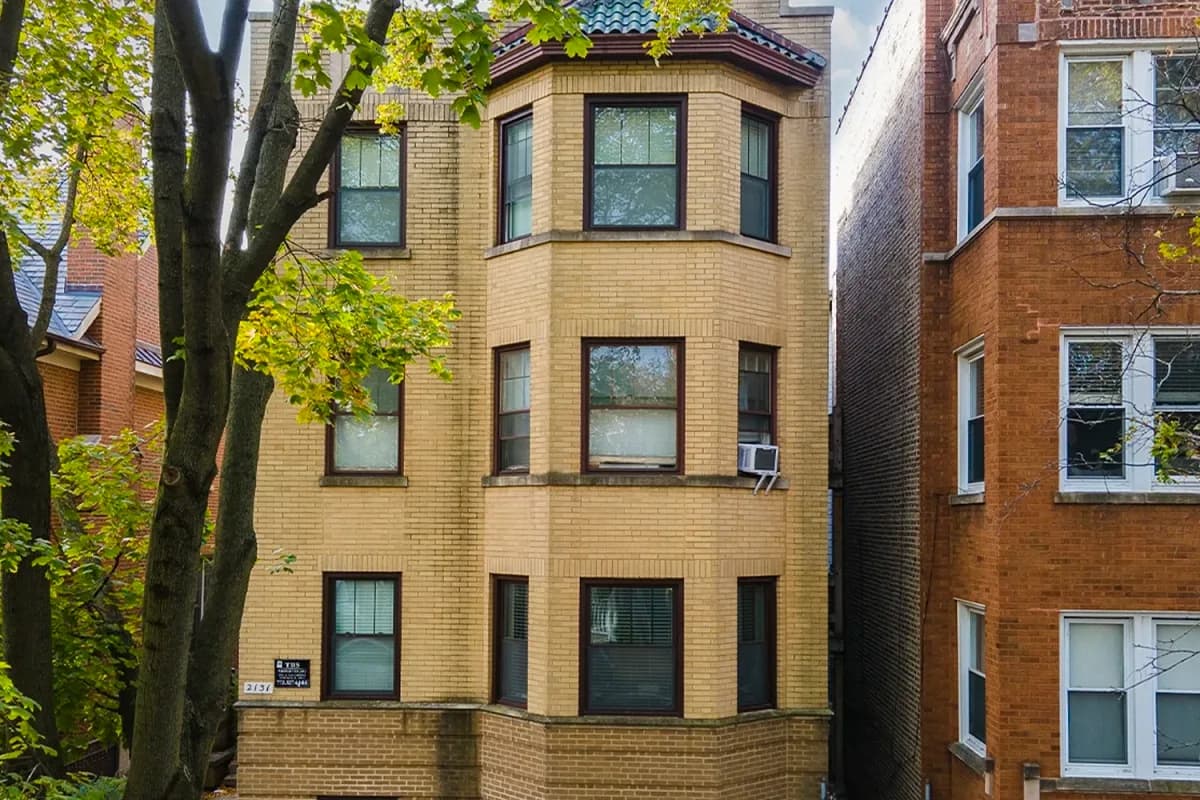
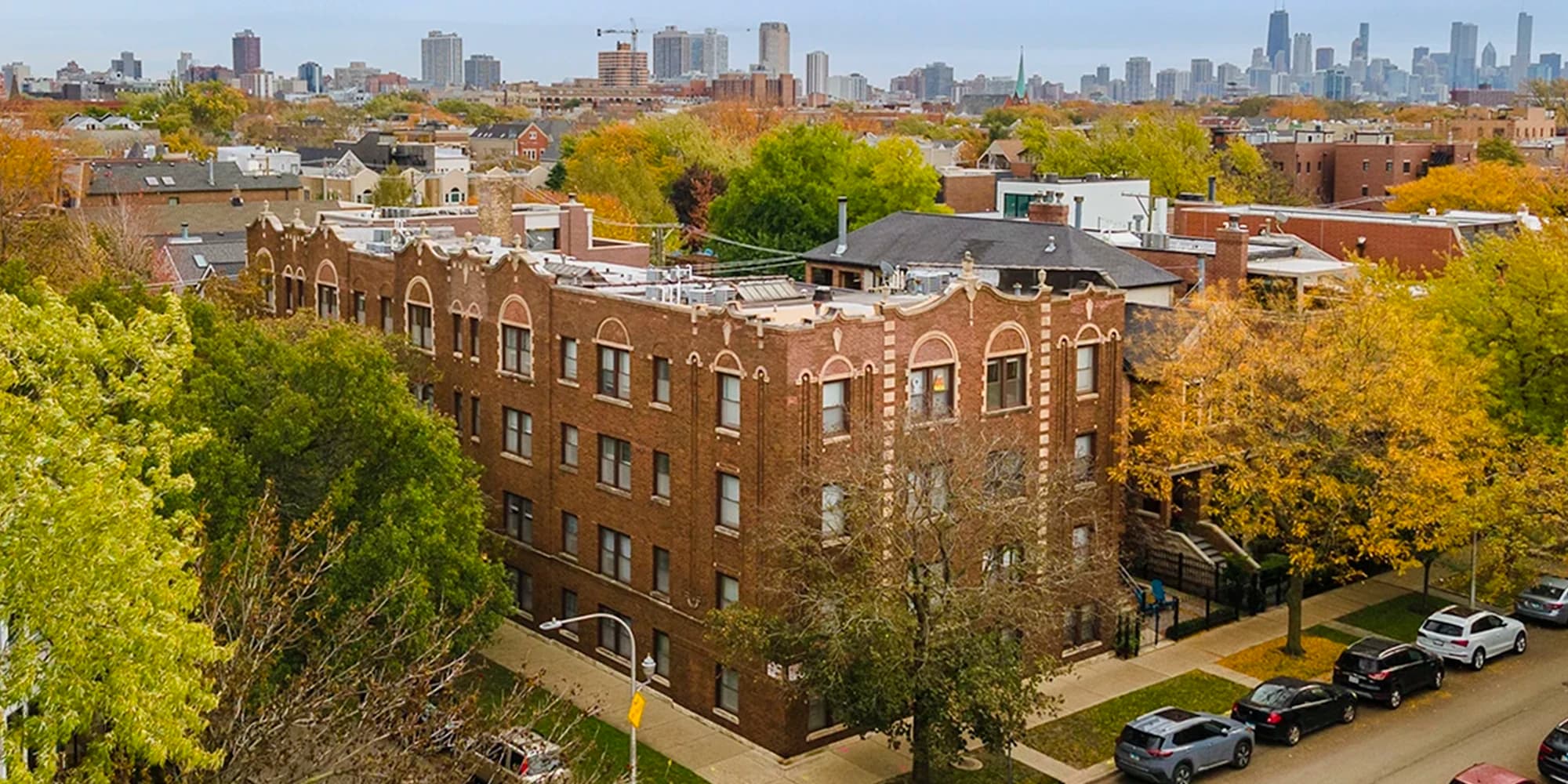
Ravenswood began in 1868 as a deliberately exclusive commuter suburb, its developers building a hotel just to let prospective buyers see the neighborhood before committing to one of its large lots, with rail-ticket prices alone keeping out all but the wealthiest Chicagoans. That changed once Chicago annexed the area in 1889 and electric streetcars, later followed by the 'L', arrived at the turn of the century, opening Ravenswood to a broader, working population and setting off a long wave of German, Swedish, and later Hispanic settlement, each community leaving its own imprint on the neighborhood's culture and architecture. The result is a streetscape defined by courtyard-style apartment buildings, brick bungalows, and a designated historic district of century-old homes, including Victorian mansions, built between 1880 and 1940 along tree-lined streets that still trace the area's earliest, least-urbanized layout near the Chicago River. Today, Ravenswood carries that same understated, community-first character forward: a former industrial corridor along the Metra tracks has been reborn as a cluster of art studios and craft breweries, giving the neighborhood a genuinely local, creative pulse rather than a nightlife-district one. The Brown Line and Metra keep it easily connected to downtown, but the pace here stays distinctly its own.
Parks & Nature
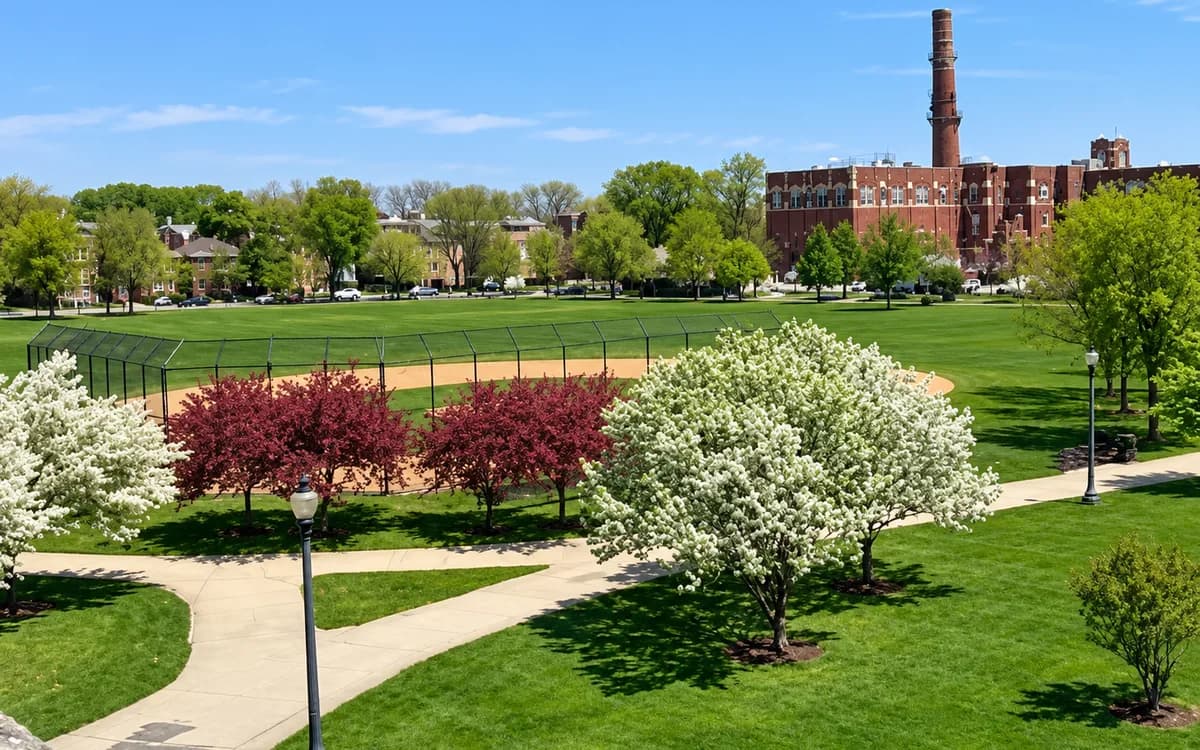
Winnemac Park
Ravenswood has no lakefront of its own, but Winnemac Park's scenic prairie garden and nature trail are the neighborhood's answer to a green escape. Added in a 1999 renovation, the three-acre native prairie planting winds through the park's 22 acres alongside softball fields, a soccer field, and shaded walkways, all on land first set aside as a city park back in 1910. It's a favorite for a quiet evening dog walk or a morning jog through tall grasses and mature trees, a genuine break from city blocks without leaving the neighborhood.
Parks & Gardens
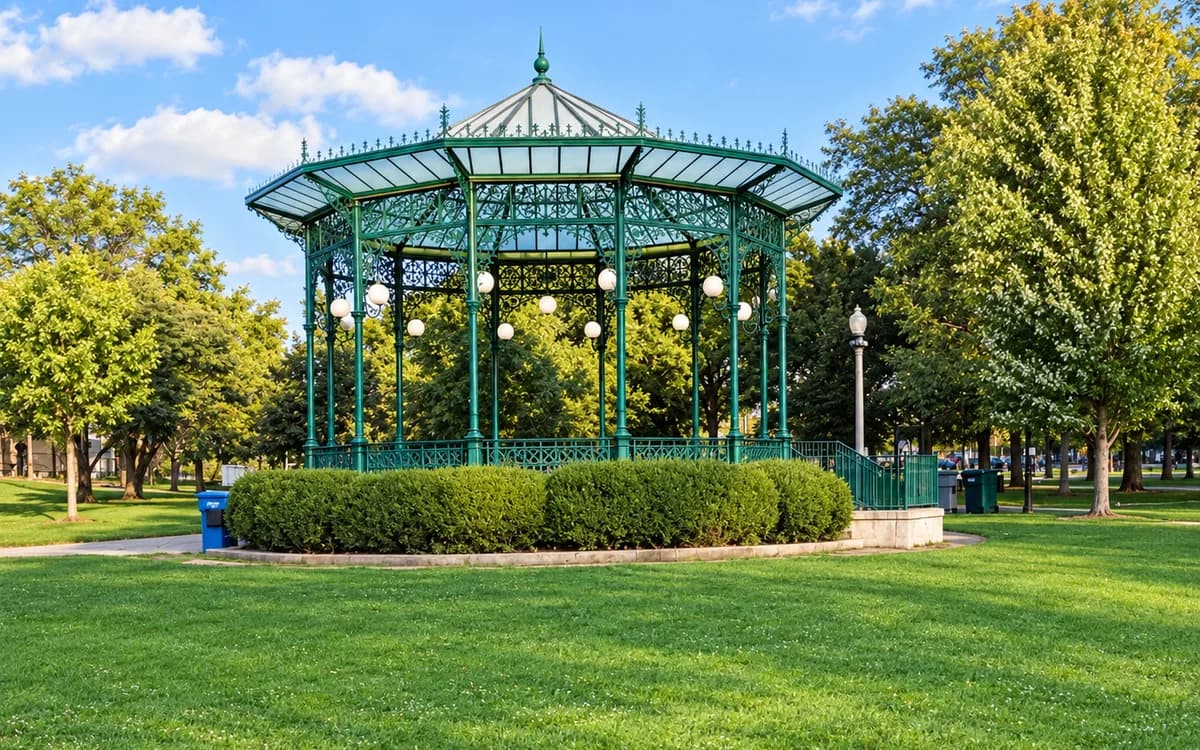
Welles Park
Spanning nearly 16 acres at the heart of Lincoln Square, Welles Park is the classic neighborhood anchor: a fieldhouse with a year-round indoor pool and fitness center, a softsurface playground with a water feature, and outdoor courts for tennis and pickleball alongside fields for baseball, softball, and football. It's the kind of well-used, unglamorous park that structures daily life nearby, a swim lesson, a weekend league game, or an afternoon at the playground, all a short walk from home.
Arts & Culture
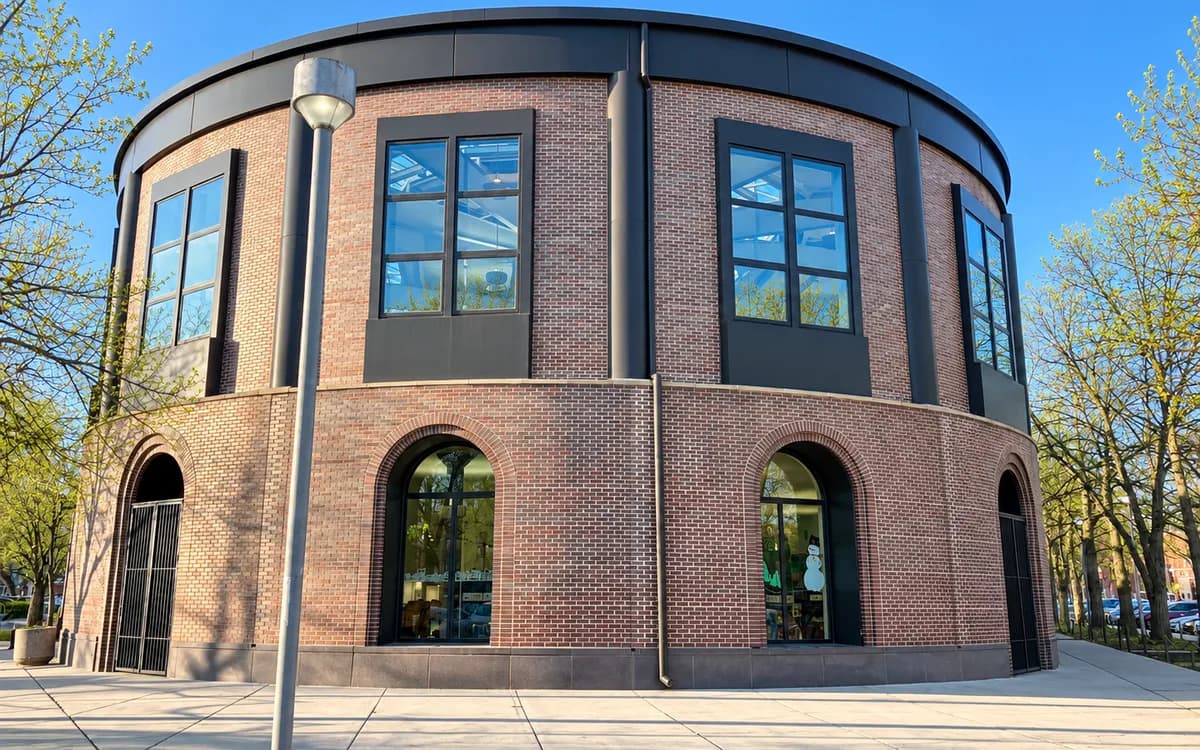
Sulzer Regional Library
Named for Conrad Sulzer, one of Ravenswood's own pioneer settlers, this regional branch of the Chicago Public Library has anchored Lincoln Avenue since 1985, when its design by Hammond Beeby and Babka won a National Honor Award from the American Institute of Architects. Inside, frescoes by artist Nicholas Africano hang alongside a full slate of public programming and one of the system's largest collections outside the central library downtown. It's a genuine cultural anchor beyond the usual bar-and-restaurant scene, open seven days a week and free to everyone nearby.
Performing Arts
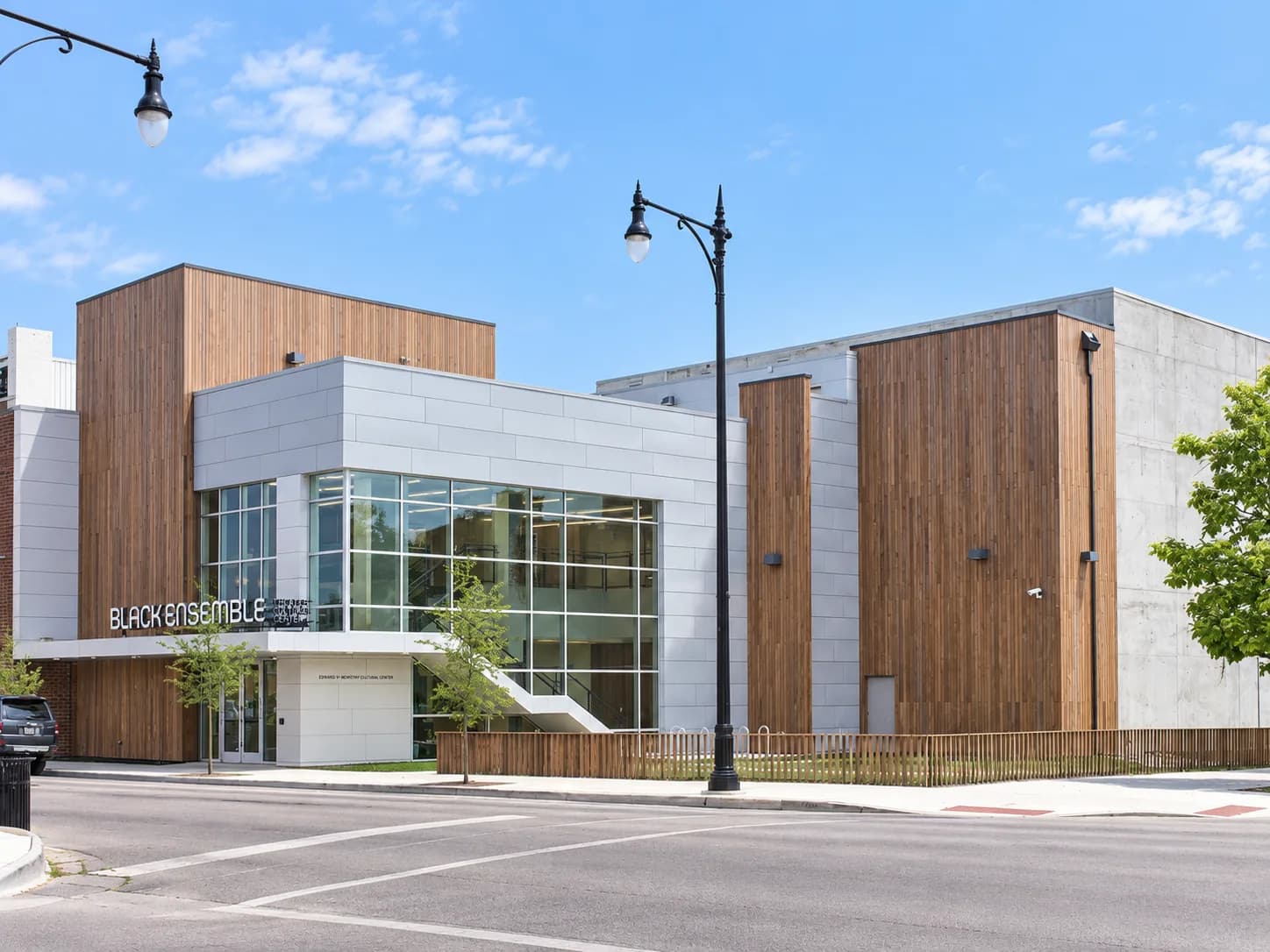
Black Ensemble Theater
Founded in 1976 by actress and playwright Jackie Taylor, Black Ensemble Theater is one of the nation's leading Black theater companies, staging original musical productions that celebrate African-American history, culture, and artists. After decades performing at a smaller Uptown venue, the company opened its state-of-the-art 50,000-square-foot cultural center on Clark Street in 2011, complete with a mainstage theater, art gallery, and event spaces. Today it continues to produce acclaimed original works year-round, drawing audiences from across the city to this corner of the neighborhood.
Restaurants and Bars
Ravenswood's food and drink scene is concentrated along Lincoln Avenue and Damen Avenue, with a strong lean toward neighborhood spots over chains — brunch cafes, craft breweries, and family-owned restaurants that have been fixtures for years. The area's industrial corridor has also become one of the city's best-known craft brewery clusters.
Because Ravenswood is quieter and more residential than nearby Lincoln Square or Lake View, the bars here tend to draw a local crowd rather than a nightlife destination crowd, making for a more relaxed evening scene.
Ravenswood is a historic North Side neighborhood defined by its tree-lined residential streets, vintage courtyard apartment buildings, and a former industrial corridor along the Metra tracks that's since been converted into studios, breweries, and small businesses. The area has a distinctly artistic, low-key character compared to its more commercial neighbors.
Brown Line stops at Damen, Montrose, and Rockwell keep the neighborhood well connected to downtown, while the mix of single-family homes and vintage apartments gives it a settled, community-oriented feel.
Ravenswood's entertainment scene centers on its craft breweries and small live-music venues rather than major attractions, with the industrial corridor along the Metra tracks now home to several taprooms that draw visitors from across the North Side. Welles Park and the Ravenswood Avenue corridor add green space and community programming within walking distance of most apartments.
The neighborhood's art studios, many housed in converted industrial buildings, host periodic open-studio events, giving residents a distinctly local alternative to the city's larger museums and theaters.